Prof. Aldo Morrone
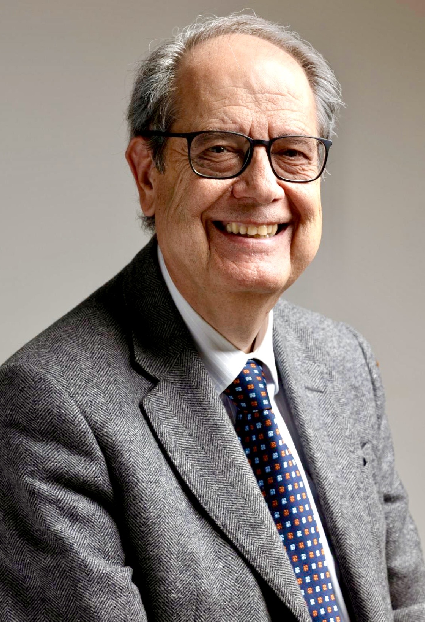
Prof. Aldo Morrone is the Scientific Director of the International Institute of Social, Medical and Anthropological Sciences (IISMAS), Rome, and Professor of Dermatology at Saint Camillus International University of Health and Medical Sciences, Rome, Italy.
He previously served as Scientific Director of the San Gallicano Dermatological Institute (IRCCS), a historic clinical-scientific institution founded in Rome in 1725 by Pope Benedict XIII.
An internationally recognized expert in Tropical Dermatology and poverty-related diseases, over the past four decades he has devoted his work to Transcultural Medicine and to the health and dignity of migrants, asylum seekers, refugees, victims of torture, survivors of female genital mutilation, and homeless populations.
Prof. Morrone served as General Director of San Camillo-Forlanini General Hospital in Rome and was the Founder and first General Director of the National Institute for Migration and Poverty (INMP), a public scientific research institute dedicated to migration-related health issues. He also served as President of the Mediterranean Institute of Hematology (IME), a national scientific institute for blood disorders across Mediterranean countries.
He is the author of more than 700 scientific publications in national and international peer-reviewed journals and 60 books.
He has coordinated and carried out numerous clinical and scientific missions in Africa, the Middle East, India, Latin America, and Southeast Asia.
From 2013 to 2017, he served as Vice President of the International Society of Dermatology (ISD). He is currently Scientific Director of the Annual International Congress on Dermatology and Global Health in Ethiopia, “Skin on the Move” organized in collaboration with the Tigray Regional Health Bureau.
In 2017, he was awarded the Castellani-Reiss Medal, the highest distinction of the International Society of Dermatology, conferred for lifetime achievement in International Dermatology, Migration Medicine, and Community Dermatology.